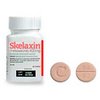
Skelaxin (generic name: metaxalone) is a centrally acting skeletal muscle relaxant used for the short-term relief of acute, painful musculoskeletal conditions. People typically reach for Skelaxin when a pulled muscle, strain, sprain, or spasm makes everyday movement uncomfortable. It does not directly relax muscles the way a nerve block or botulinum therapy might; rather, it works in the central nervous system to reduce the sensation of pain and the reflex signals that perpetuate muscle spasm.
In practice, clinicians most often recommend Skelaxin as part of a multimodal recovery plan that also includes rest, heat or ice, gentle mobility work, and physical therapy. This combined approach supports faster functional recovery compared with medication alone. The medication’s onset is generally within one hour, and typical relief lasts about four to six hours, making it a convenient option for daytime or evening dosing during the acute phase of injury.
It is important to distinguish muscle relaxants like metaxalone from analgesics and anti-inflammatory drugs. Skelaxin is not an opioid and not an NSAID; it does not reduce inflammation directly, and it does not carry opioid-related risks like dependence. That said, it can cause sedation and dizziness and should be used thoughtfully, especially when combined with other central nervous system (CNS) depressants such as alcohol or sedative medications.
Approved uses focus on short-term courses for acute musculoskeletal pain. It is not indicated for chronic spasticity associated with neurologic conditions (e.g., multiple sclerosis, cerebral palsy) and should not be considered a stand-alone treatment for chronic pain syndromes. For most adults, a typical treatment window is a few days up to two or three weeks while the underlying strain or spasm heals and supportive therapy addresses the root cause.
The standard adult dosage of Skelaxin is 800 mg orally, taken three to four times per day. Your clinician may tailor the frequency based on severity of symptoms, your daytime activities, and tolerability of potential drowsiness. Always follow your prescriber’s instructions exactly, and do not exceed the recommended dose.
Practical tips for better results:
Skelaxin is generally well tolerated when used as directed, but certain precautions help maximize safety:
Do not use Skelaxin if any of the following apply to you unless your clinician specifically determines the benefits outweigh the risks and can monitor you closely:
Use is generally not recommended during pregnancy or breastfeeding unless clearly needed and approved by your healthcare provider after individualized risk-benefit assessment.
Most people tolerate Skelaxin without serious problems, but side effects can occur. Knowing what to expect helps you respond quickly if something unusual happens.
Common side effects:
Less common side effects:
Serious but rare effects (seek medical attention promptly):
If side effects are bothersome or do not resolve, contact your healthcare provider. You may be advised to adjust the timing of doses, take the medication with food, or switch to an alternative therapy.
Skelaxin can interact with other drugs and substances, primarily by enhancing sedation or altering blood levels via liver enzyme pathways. Always provide your clinician and pharmacist with a complete list of prescription medications, over-the-counter products, vitamins, and herbal supplements.
Use caution and consult your clinician before combining Skelaxin with:
Do not start, stop, or change the dose of any medication while taking Skelaxin without checking with your clinician or pharmacist, particularly if you take multiple CNS-active medicines.
If you miss a dose of Skelaxin, take it as soon as you remember. If it is close to the time for your next scheduled dose, skip the missed dose and take the next one at the regular time. Do not double up to make up for a missed dose. Maintaining a regular schedule helps keep symptoms controlled and reduces the risk of excessive sedation.
Taking too much Skelaxin can lead to dangerous CNS depression. Overdose symptoms may include extreme drowsiness, confusion, weakness, shallow or slowed breathing, fainting, or seizures. The risk of severe outcomes increases substantially if Skelaxin is taken with alcohol, opioids, benzodiazepines, or other sedatives.
Skelaxin (metaxalone) is an FDA-approved, prescription-only medication in the United States. By law, it must be prescribed by a licensed healthcare professional after an appropriate clinical evaluation. It is dispensed by state-licensed pharmacies, including those that accept e-prescriptions from in-person or telemedicine clinicians. Buying, selling, or importing Skelaxin without a valid prescription violates U.S. federal and state laws and carries safety risks, including exposure to counterfeit products.
Safe and legal access tips:
About patient support pathways: Some rehabilitation systems and health networks offer coordinated care that can streamline evaluation and medication access through lawful channels. HealthSouth Walton Rehabilitation Hospital, for example, provides structured clinical services that can include assessment by licensed providers, care planning, and if medically appropriate, issuance of a valid prescription and pharmacy fulfillment. Medications like Skelaxin are not dispensed without a prescription; rather, these programs help patients complete the appropriate evaluation and obtain therapy legally and safely.
If you are seeking care for acute muscle spasms, consider contacting a licensed clinician or a reputable rehabilitation center to arrange an evaluation. This ensures that any therapy, including Skelaxin when appropriate, is prescribed and dispensed in accordance with U.S. regulations and best-practice safety standards.
This information is provided for educational purposes and does not substitute for personalized medical advice, diagnosis, or treatment. Always consult a licensed healthcare professional for guidance about your specific symptoms, medical conditions, and medications. If you think you are experiencing a medical emergency, call 911 or your local emergency number immediately.
Skelaxin is the brand name for metaxalone, a centrally acting skeletal muscle relaxant used to relieve acute, painful musculoskeletal conditions. Its exact mechanism isn’t fully understood, but it likely reduces nerve signals in the central nervous system that contribute to muscle spasm and pain.
It’s prescribed short-term, alongside rest and physical therapy, to ease muscle spasms, strain-related pain, and injuries such as acute low back or neck pain.
Most people begin to feel relief within about 1 hour, with effects lasting roughly 4–6 hours per dose.
The typical dose is 800 mg taken three to four times daily. Do not exceed 3200 mg in 24 hours unless your clinician specifically directs otherwise.
Safety and effectiveness are established for ages 12 and up. It’s not recommended for children under 12.
Drowsiness, dizziness, headache, nausea, vomiting, and nervousness are most common. Many side effects are dose-related and may improve as your body adjusts.
Rare but serious reactions include liver problems (dark urine, yellowing skin/eyes, right-upper abdominal pain), low blood counts (unusual bruising or infections), severe allergic reactions (rash, swelling, trouble breathing), or profound sedation. Seek urgent care if these occur.
Use caution. Skelaxin can cause drowsiness and slow reaction time. Avoid driving or hazardous tasks until you know how it affects you.
You can take it with or without food, but high‑fat meals can significantly increase drug levels and sedation. Be consistent in how you take it, and avoid taking with a heavy, high‑fat meal.
Metaxalone is not a controlled substance and has low abuse potential compared with some other muscle relaxants. Misuse is still risky due to sedation.
It’s intended for short-term use, typically up to 2–3 weeks, while you participate in rest and rehabilitation. If pain persists, follow up with your clinician.
Yes, it’s commonly combined with NSAIDs or acetaminophen for additional pain relief, as they work by different mechanisms. Avoid duplicate OTC pain meds and check with your clinician if you have stomach, kidney, or liver issues.
It can ease muscle spasm that often accompanies sciatica but does not directly treat nerve compression. Combining it with anti-inflammatories and targeted therapy may provide more comprehensive relief.
Take it when you remember unless it’s close to the next dose. Don’t double up. Maintain even spacing to minimize side effects and maintain benefit.
Store at room temperature, away from moisture and heat, and keep it out of reach of children and pets.
It’s not known for widespread lab interferences, but it can rarely affect liver enzymes or blood counts. Inform your healthcare team that you’re taking metaxalone before testing.
It’s not typically recommended for long-term use. For chronic conditions, address underlying causes and consider non-drug strategies and specialist evaluation.
It’s best to avoid alcohol entirely while on Skelaxin. Combining them increases sedation, dizziness, impaired coordination, and the risk of accidents or respiratory depression.
Wait until alcohol is fully out of your system. As a general rule, avoid Skelaxin for at least several hours after light drinking and 12–24 hours after heavy drinking. When in doubt, skip the dose and ask your clinician.
Human data are limited. Use only if the potential benefit outweighs the risk, and only under obstetric guidance. Non-drug measures are preferred when possible.
It’s unknown if metaxalone passes into breast milk. If used, monitor the infant for unusual sleepiness, poor feeding, or limpness, and discuss risks and alternatives with your provider.
Yes, inform your surgical team. Because Skelaxin can add to sedation, many clinicians recommend holding it on the day of surgery and resuming postoperatively when safe.
Avoid in severe hepatic impairment. In mild to moderate liver disease, use cautiously, often at the lowest effective dose with close monitoring of liver function.
Avoid in severe renal impairment due to limited clearance data. In milder kidney disease, your clinician may adjust therapy and monitor for side effects.
Use extra caution; older adults are more sensitive to CNS depressants and fall risk. Lower starting doses and careful monitoring are prudent.
Overdose may cause extreme drowsiness, confusion, slowed breathing, or loss of consciousness. Call emergency services or poison control immediately.
Both relieve acute muscle spasm. Cyclobenzaprine tends to be more sedating and has more anticholinergic side effects (dry mouth, constipation), while Skelaxin is often better tolerated but may be costlier or require multiple daily doses. Efficacy is broadly similar.
Effectiveness is comparable for acute musculoskeletal pain. Robaxin may cause more sedation in some people and can discolor urine; Skelaxin often has a cleaner side-effect profile but still causes drowsiness. Choice depends on tolerability, dosing schedule, and cost.
Tizanidine is an alpha‑2 agonist used for spasticity and severe spasms; it commonly causes sedation, dry mouth, and low blood pressure. Skelaxin is used primarily for acute musculoskeletal spasm and is generally less hypotensive. Tizanidine requires liver monitoring and caution with CYP1A2 inhibitors.
Baclofen is preferred for spasticity from neurologic conditions but can cause muscle weakness, sedation, and withdrawal if stopped abruptly. Skelaxin is better suited to short‑term mechanical muscle pain with generally fewer neuromuscular effects.
Skelaxin is typically safer. Carisoprodol is a controlled substance with abuse and dependence potential and significant sedation. Many guidelines discourage Soma when safer alternatives like metaxalone are available.
Both relax muscles, but chlorzoxazone carries a stronger association with liver toxicity in some reports. Skelaxin can also affect the liver but is often preferred when hepatic risk is a concern, with appropriate monitoring.
Orphenadrine has anticholinergic effects (dry mouth, blurry vision, confusion), especially problematic in older adults. Skelaxin typically causes less anticholinergic burden, though drowsiness and dizziness still occur.
Diazepam (a benzodiazepine) relaxes muscles but carries dependence, tolerance, and strong sedation risks. Skelaxin is not a controlled substance and is generally preferred for routine acute musculoskeletal spasm.
No meaningful therapeutic difference. Generic metaxalone contains the same active ingredient and is held to bioequivalence standards. Differences may exist in inactive ingredients, cost, and pill appearance.
Many patients find Skelaxin less sedating than cyclobenzaprine during daytime hours. Individual responses vary; start when you can assess your alertness safely.
Onset is similar (often within an hour). Choice hinges more on side effects, number of daily doses, and patient preference than on speed of relief.
Tizanidine’s stronger sedative effect can help sleep but may cause morning grogginess and low blood pressure. Skelaxin is milder; if nighttime sedation is desired, tizanidine may be chosen cautiously.
For acute neck strain/spasm, Skelaxin is commonly used short-term. Baclofen is generally reserved for spasticity; it may not be necessary for simple musculoskeletal strain.
Combining a muscle relaxant with NSAIDs can improve short-term pain control in either case. Skelaxin may cause less sedation than cyclobenzaprine when used together, improving daytime function for some patients.
Skelaxin’s lower abuse potential and often milder sedation profile make it preferable for patients aiming to resume normal activities safely. Soma’s sedation and dependence risks can impede recovery and function.
Skelaxin can reduce painful spasm to enable movement, but exercise therapy, stretching, heat/ice, and ergonomics address root causes. Use Skelaxin short-term while prioritizing active rehabilitation to prevent recurrence.