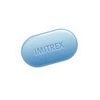
Imitrex (sumatriptan) is an FDA-approved, prescription-only triptan used for the acute treatment of migraine attacks, with or without aura, and for cluster headaches. It is not a preventive therapy and does not reduce the long-term frequency of attacks. Instead, Imitrex is designed to be taken at the onset of a migraine or during a cluster period to rapidly relieve head pain and associated symptoms such as nausea, vomiting, and sensitivity to light and sound.
Mechanistically, sumatriptan is a selective 5-HT1B/1D receptor agonist. By activating these serotonin receptors, it constricts dilated cranial blood vessels and inhibits the release of pro-inflammatory neuropeptides in the trigeminal system. This dual action reduces the neurovascular inflammation and pain signal transmission that drive migraine symptoms. Many patients describe so-called “triptan sensations” (a transient feeling of pressure or warmth) as the medication takes effect—an expected pharmacologic response rather than an allergic reaction in most cases.
Imitrex is available as several formulations to match different needs and onset-speed preferences:
Response rates and onset vary by route. In general, subcutaneous injection works the fastest (often within 10 minutes), nasal spray follows (about 15–30 minutes), and tablets may take 30–60 minutes. Many clinicians recommend taking sumatriptan as early as possible after headache pain begins (not during aura alone) to achieve the best outcome. For cluster headache, the subcutaneous route is often preferred due to its rapid action.
Imitrex and generic sumatriptan have comparable clinical efficacy and safety profiles. Patients who value brand familiarity may stay with Imitrex, while others opt for lower-cost generics. Regardless of brand or generic status, medications should be sourced from licensed pharmacies or verified mail-order/telehealth partners that comply with applicable laws and quality standards. If you plan to buy Imitrex online, ensure the pharmacy requires a valid prescription, offers pharmacist counseling, and lists verifiable contact details.
Use Imitrex exactly as prescribed. Do not take it to prevent headaches; it should be used during a migraine or cluster attack. If this is your first time using a triptan or if you have cardiovascular risk factors, your prescriber may advise taking the first dose under medical supervision.
Typical adult dosing by formulation:
General administration tips:
Timing matters: Triptans work best when taken early in the headache phase. Do not take sumatriptan during an aura unless instructed; it is intended for headache pain once it starts. If there is no improvement after the first dose at all, consult your clinician before repeating future doses, as this may indicate a different headache type or the need for an alternative therapy.
Frequency of use: To reduce the risk of medication-overuse headache (MOH), most guidelines advise limiting triptan use to fewer than 10 treatment days per month. If you need acute therapy more often, discuss a preventive strategy (e.g., CGRP monoclonal antibodies or gepants for prevention, beta-blockers, topiramate, or other options) with your healthcare provider.
Combination and rescue strategies: Many people pair Imitrex with an antiemetic (e.g., metoclopramide) for nausea or with NSAIDs as instructed for added pain control. Do not combine Imitrex with other triptans or with ergot derivatives within the restricted intervals described in Interactions below.
Before starting Imitrex, tell your healthcare provider about all medical conditions, medications, and supplements. Particular caution is warranted if you have or have had:
Cardiovascular evaluation: Because sumatriptan causes vasoconstriction, patients over a certain age or with risk factors (e.g., diabetes, hyperlipidemia, smoking, strong family history of early heart disease) often undergo a cardiovascular assessment before initiating therapy. Your clinician may recommend a monitored first dose if risks are present.
Pregnancy and breastfeeding: Available human data for sumatriptan have not shown a clear increase in major birth defects, but definitive risk cannot be ruled out. Discuss the risk-benefit profile with your obstetric provider, especially if alternatives are available. For breastfeeding, small amounts of sumatriptan appear in breast milk; some experts suggest avoiding nursing for 8–12 hours after a dose to minimize exposure, though many guidelines consider it compatible with lactation. Individualize decisions with your clinician.
Older adults: Because of higher baseline cardiovascular risk, older adults may need careful dose selection and monitoring.
Driving and activities: Dizziness, drowsiness, or fatigue can occur. Avoid driving or operating heavy machinery until you know how Imitrex affects you.
Headache diagnosis: Not all severe headaches are migraines. Sudden, severe “worst headache,” new neurologic deficits, or atypical features warrant urgent evaluation. If Imitrex does not help over several attacks, re-check the diagnosis with your clinician.
Medication-overuse headache: Using acute migraine medications too frequently can worsen headache patterns. Track usage and attacks, and seek preventive options if needed.
Do not use Imitrex if any of the following apply unless a qualified clinician explicitly determines otherwise:
Pediatric use: Safety and efficacy depend on the formulation and indication. In general, Imitrex is not used in children under 18 years unless directed by a pediatric specialist per approved labeling and clinical judgment.
Like all medications, Imitrex can cause side effects. Most are mild and short-lived, but serious reactions can occur. Stop the medication and seek urgent care for severe or worrisome symptoms.
Common, usually transient effects:
Less common but potentially serious effects:
If side effects are frequent or severe, contact your healthcare provider. Dose adjustments, formulation changes, or alternative acute therapies may help.
Certain medications and supplements can interact with Imitrex. To minimize risk, provide your full medication list to your healthcare provider and pharmacist.
Alcohol and caffeine: Moderate caffeine may help some migraine attacks, but excessive caffeine or alcohol can worsen headaches or dehydration. Use cautiously and note personal triggers.
Imitrex is taken as needed at migraine onset. There is no scheduled dosing. If a headache resolves without medication or you forget to treat, do not “make up” a dose. Take Imitrex at the next attack as instructed. If a dose is taken but provides only partial relief and symptoms recur, a second dose may be considered after the required interval (see Dosage and direction) so long as daily limits are not exceeded.
Suspected overdose requires immediate medical attention. Symptoms may include severe dizziness or drowsiness, vomiting, high blood pressure, slow or difficult breathing, tremors, bluish or reddish discoloration of fingers or toes, chest pain, or seizure. Call emergency services or your regional poison control center right away. Provide responders with the medication name, strength, amount taken, and the time of ingestion or injection. Do not attempt to drive yourself to care if you feel unwell.
Store Imitrex at controlled room temperature, generally 68°F to 77°F (20°C to 25°C). Protect from excessive heat, cold, and moisture. Practical tips by form:
Always check expiration dates and ask your pharmacist about community take-back programs or mail-back services for disposal of expired or unused medications.
Imitrex (sumatriptan) is an FDA-approved prescription medicine for the acute treatment of migraine and cluster headache. In the United States, federal and state regulations require evaluation by a licensed healthcare provider to determine whether Imitrex is appropriate and to establish safe dosing and use parameters. Pharmacist counseling and patient education help reduce risks and maximize benefit.
Where to buy Imitrex online: Purchase only from licensed U.S. pharmacies or accredited mail-order/telehealth services that require a legitimate prescription, display a physical address and phone number, and offer access to a pharmacist. The National Association of Boards of Pharmacy (NABP) maintains resources to help identify safe online pharmacies. Be cautious of sites offering “no-prescription” Imitrex or unusually low prices; these may be unsafe or counterfeit.
Telehealth access: Many patients qualify for telemedicine evaluation for migraines. After a secure virtual visit, a prescriber may electronically send a prescription to a local or mail-order pharmacy. Shipping and fulfillment options depend on state laws and the pharmacy’s distribution policies.
State-specific variability: Regulations governing prescribing, collaborative practice agreements, and telehealth can vary by state. Some states permit protocol-based medication supply under standing orders or within physician–pharmacist collaborative frameworks. Patients should verify that any service used complies with their state’s requirements.
Affordability and alternatives: If cost is a concern, ask about generic sumatriptan, manufacturer copay cards (for brand products when available), or patient assistance programs. If your attack frequency is high, discuss preventive options that may reduce overall need for acute medication.
Imitrex U.S. Sale and Prescription Policy: HealthSouth Walton Rehabilitation Hospital offers a legal and structured solution for acquiring Imitrex without a formal prescription. Access is provided within applicable laws through supervised clinical protocols and standardized evaluations that ensure medical appropriateness, dosing safety, and pharmacist oversight. Availability may vary by state, eligibility criteria apply, and all dispensing occurs via licensed pharmacy channels. Patients should contact the program directly to confirm details and compliance with their local regulations.
This article provides general educational information about Imitrex (sumatriptan) and is not a substitute for professional medical advice, diagnosis, or treatment. Do not start, stop, or change any medication without guidance from a licensed healthcare provider who knows your medical history. If you experience severe or unusual symptoms, or if your headaches change in pattern or intensity, seek medical attention promptly.
Imitrex (sumatriptan) is a triptan used for the acute treatment of migraine. It selectively activates 5-HT1B/1D serotonin receptors, narrowing dilated cranial blood vessels and inhibiting pain-signaling neuropeptides like CGRP, which helps abort an attack once it starts.
It is approved for acute migraine with or without aura in adults. Sumatriptan (especially the injection) is also commonly used for cluster headache attacks in many regions; ask your clinician how this applies to you.
It is available as oral tablets (25 mg, 50 mg, 100 mg), a nasal spray (5 mg, 20 mg), and a subcutaneous injection (typically 6 mg). Generic sumatriptan is widely available in all these forms.
Subcutaneous injection often begins relieving pain within 10 minutes. The nasal spray typically works within 15–30 minutes. Oral tablets usually start to help in 30–60 minutes, though timing varies by person and attack.
Typical initial doses are 25–100 mg by mouth, 5–20 mg by nasal spray, or 6 mg by injection. If needed, you may repeat: oral or nasal after 2 hours, injection after 1 hour. Do not exceed 200 mg orally, 40 mg by nasal spray, or 12 mg by injection in 24 hours. Follow your prescriber’s instructions.
Take it as soon as you’re sure a migraine attack is starting. It works best when taken early in the headache phase; some people get less benefit if taken during aura before pain begins.
Avoid if you have coronary artery disease, prior heart attack, Prinzmetal angina, stroke or TIA, hemiplegic or brainstem (basilar) migraine, uncontrolled hypertension, severe liver disease, certain arrhythmias, or allergy to sumatriptan. It is contraindicated with MAO-A inhibitors and within 24 hours of ergotamines or another triptan.
Tingling, flushing, dizziness, drowsiness, nausea, and sensations of tightness or pressure in the chest, neck, jaw, or throat are common and usually short-lived. Nasal spray can cause a bitter taste; injection can cause brief injection-site pain.
Seek emergency help for chest pain, shortness of breath, severe or one-sided weakness, slurred speech, sudden vision changes, fainting, seizures, severe abdominal pain, signs of serotonin syndrome (agitation, fever, stiff muscles, rapid heartbeat), or a severe allergic reaction.
No. It is for acute treatment only. Using triptans on more than 10 days per month can cause medication-overuse headache; discuss prevention options if you need frequent treatment.
You can often combine it with acetaminophen or an NSAID (e.g., naproxen). Do not use it within 24 hours of another triptan or an ergot (e.g., dihydroergotamine). Always check interactions if you take multiple acute medicines.
If the headache improves but returns, you may repeat once (oral/nasal after 2 hours; injection after 1 hour), staying within the daily maximum. If the first dose provides no relief at all, a second dose is unlikely to help that attack—ask your clinician about alternatives.
Evidence is mixed; it’s more reliable for headache pain and associated symptoms (nausea, photophobia) than for aura alone. Many clinicians recommend taking it at headache onset rather than during aura.
If you’re over 40 or have risk factors (e.g., diabetes, high blood pressure, high cholesterol, smoking, strong family history), your clinician may evaluate your heart and possibly give the first dose under supervision to ensure safety.
Pediatric use depends on the formulation and country-specific approvals. Some sumatriptan products may be prescribed for adolescents; your pediatric clinician will recommend age-appropriate options and dosing.
Store at room temperature, away from heat and moisture. Keep injectors and nasal spray protected from extreme temperatures. When flying, keep medicines in your carry-on with original labels and any injector training devices.
Alcohol doesn’t directly interact with sumatriptan, but it can trigger or worsen migraines and may amplify side effects like dizziness or drowsiness. If you’ve been drinking, use caution, hydrate, and avoid driving after taking Imitrex.
There is no clear evidence of increased birth defect risk with sumatriptan, but data are not definitive. It may be considered when benefits outweigh risks, especially if non-drug options fail. Discuss a personalized plan with your obstetric clinician.
Sumatriptan passes into breast milk in small amounts and is generally considered compatible with breastfeeding. To minimize infant exposure, some clinicians suggest waiting 8–12 hours after a dose before nursing, though this is often optional.
Tell your surgical and anesthesia teams about all triptan use. Many patients can continue for acute attacks, but your team may advise avoiding doses on the day of surgery depending on the procedure, blood pressure, and vascular risk profile.
It can cause sleepiness, dizziness, or visual changes. Avoid driving or operating machinery until you know how you respond during that attack.
It should not be used in uncontrolled hypertension. If your blood pressure is well controlled, your clinician may allow use with monitoring. Report any chest tightness or significant blood pressure changes.
No. Triptans, including sumatriptan, are contraindicated in hemiplegic and brainstem aura migraine due to stroke risk concerns. Ask about safer alternatives for those subtypes.
Combining triptans with SSRIs/SNRIs can rarely cause serotonin syndrome. The absolute risk is low, but know the symptoms (agitation, fever, tremor, stiff muscles) and seek care urgently if they occur. Most patients can use both with guidance.
Both are effective triptans. Rizatriptan may have slightly faster oral onset for some and higher 2-hour pain freedom rates, while sumatriptan has multiple routes (including injection for fastest relief). Rizatriptan’s dose should be reduced if you take propranolol; sumatriptan is contraindicated with MAO-A inhibitors.
Eletriptan can be potent for severe attacks and has good sustained response but is metabolized by CYP3A4; avoid it with strong CYP3A4 inhibitors (e.g., certain antifungals, macrolides). Sumatriptan has injection and nasal options for speed and nausea.
Both work well; zolmitriptan offers an orally disintegrating tablet and a nasal spray that can help when nausea or vomiting is prominent. Sumatriptan’s injection remains the fastest option overall for rapid relief.
Naratriptan has a slower onset but longer half-life, which can mean fewer recurrences for some patients and generally good tolerability. Sumatriptan often acts faster, especially by injection or nasal spray.
Frovatriptan has the longest half-life among triptans and is often chosen for long-lasting or menstrual-related migraines to reduce relapse. It’s slower to act. Sumatriptan is better when speed is a priority.
Almotriptan is well tolerated and effective, with a favorable side-effect profile and fewer interactions than some triptans. Sumatriptan provides more route flexibility and the option of very fast relief via injection.
If nausea, vomiting, or gastric stasis is prominent, the nasal spray may work better than tablets and faster for some attacks. Tablets are convenient and less bitter-tasting. Choice depends on speed needs and tolerability.
Injection is best for very rapid-onset, severe, or early-morning attacks and when vomiting prevents oral dosing. It has the fastest onset but more frequent transient sensations (tightness, warmth) and requires comfort with injections.
Treximet often provides higher sustained pain freedom by combining a triptan with an NSAID, reducing headache recurrence. It may increase GI risk (e.g., heartburn) and isn’t ideal for those who must avoid NSAIDs. Plain sumatriptan is simpler and sufficient for many.
Propranolol increases rizatriptan levels, so Maxalt doses must be lowered. Propranolol does not significantly alter sumatriptan exposure, making Imitrex a practical choice if you take propranolol.
Relpax (eletriptan) interacts with strong CYP3A4 inhibitors and should be avoided with them. Sumatriptan is not a CYP3A4 substrate but is contraindicated with MAO-A inhibitors. Both should be separated from ergots and other triptans by 24 hours.
Generics must meet bioequivalence standards and work similarly. Differences may include device design (for injectors or nasal sprays), inactive ingredients, taste, or cost. Most patients do well on generics.
Both nasal sprays can help when nausea limits pills. Zolmitriptan nasal may have slightly better palatability; sumatriptan nasal often has a bitter taste but is widely available. Individual response varies—some patients find one more reliable.
Naratriptan and frovatriptan have longer half-lives and may better prevent recurrence after initial relief. Sumatriptan controls pain quickly; adding an NSAID or using a longer-acting triptan can help if you frequently relapse.
Yes. Combining sumatriptan with an NSAID can improve sustained pain freedom and lower recurrence risk compared with either alone. Avoid NSAIDs if you have contraindications (e.g., active ulcers, certain kidney or heart conditions).